
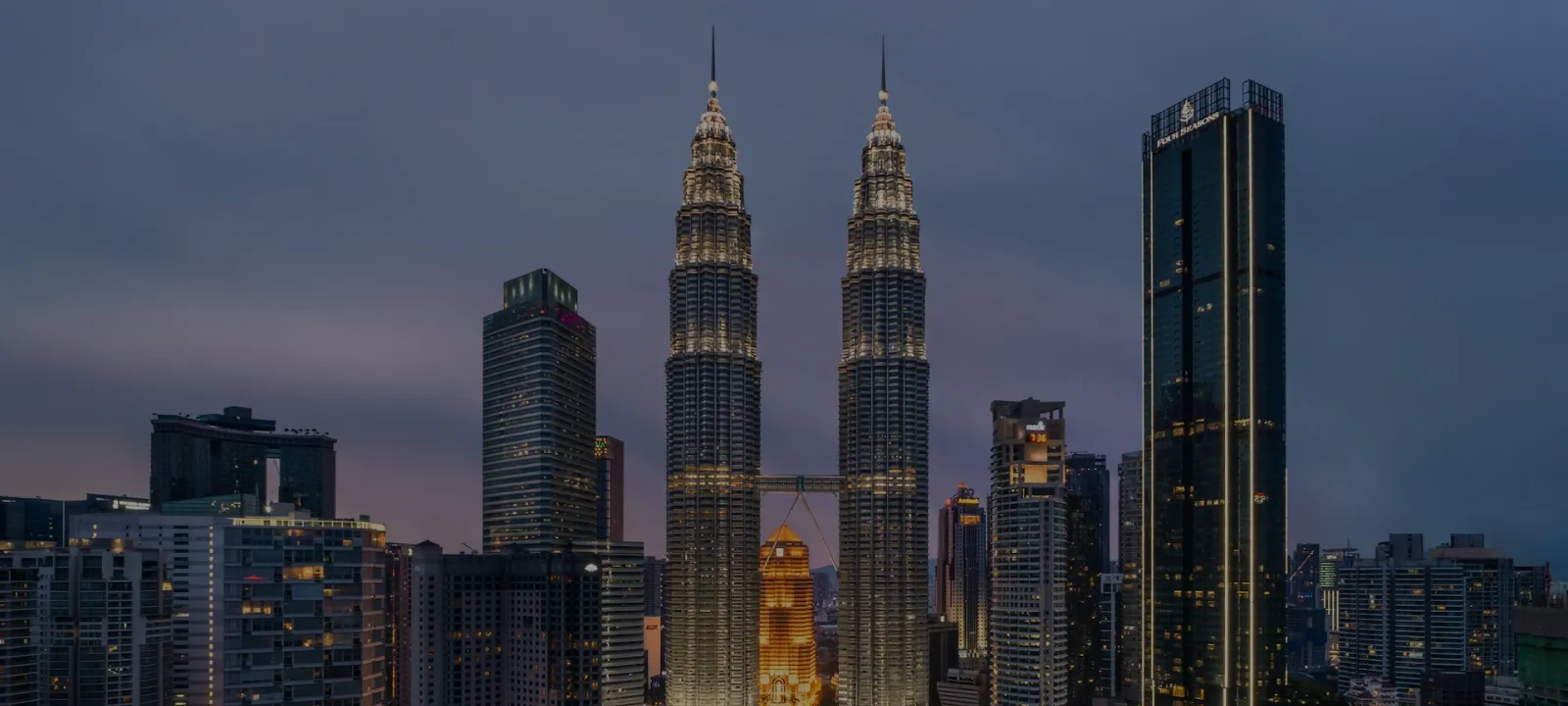
Exchange currency AUD to MYR

Our rates

Find branch

FAQs
Plan your trip to Malaysia
Malaysia is an easy, affordable trip from Australia, and it sits right in the middle when it comes to cash. Malls, hotels and Grab rides in Kuala Lumpur take cards, but hawker stalls, night markets and the kopitiam on the corner often want ringgit in hand. A mix of the two is the way to go.
Order your ringgit online, pay when you collect them from a Prosegur Change branch, and pay 0% commission on the exchange. Check today's rate on our exchange rates page.
Malaysia currency at a glance
|
|
|---|---|
|
Name |
Malaysian ringgit |
|
ISO Code |
MYR |
|
Symbol |
RM |
|
Notes |
RM1, 5, 10, 20, 50, 100 |
|
Coins |
5, 10, 20 and 50 sen |
|
|
|---|---|
|
Cash Index |
35% – Mixed |
|
Other currencies accepted |
None. Singapore dollars only in a few Johor shops near the border. |
|
Tips |
Not customary. Many restaurants add a 10% service charge. |
Everyday prices in Kuala Lumpur

Latte in a café
RM13

Petronas Twin Towers, Skybridge and observation deck
RM80 to 98 for foreign adults

LRT or MRT ride
RM2 to 5

Dinner, mid-range
RM60 per person
Where you'll need ringgit in cash
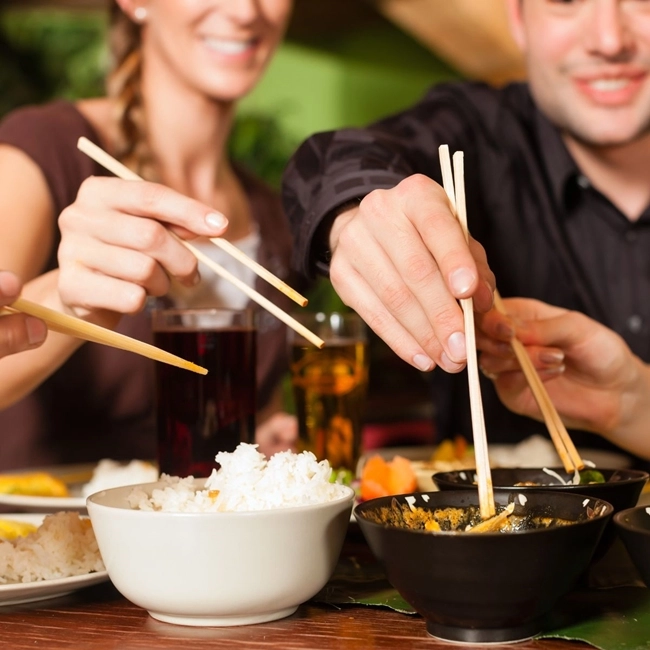
Food is where cash matters most. A plate of nasi lemak or char kway teow at a hawker centre costs a few ringgit and is almost always paid in notes, as are Jalan Alor's street food stalls and Penang's famous hawker lanes. Small notes help too: RM1, RM5 and RM10 cover most snacks, drinks and parking.
There's one charge Australians often don't expect. Foreign guests pay a tourism tax of RM10 per room per night, collected by the hotel at check-in or check-out if it wasn't included in your booking. On a week in Kuala Lumpur, that's around RM60 to have ready. For tolls and some car parks, locals use a Touch 'n Go card, which you can top up in cash at convenience stores.
Top things to do in Malaysia
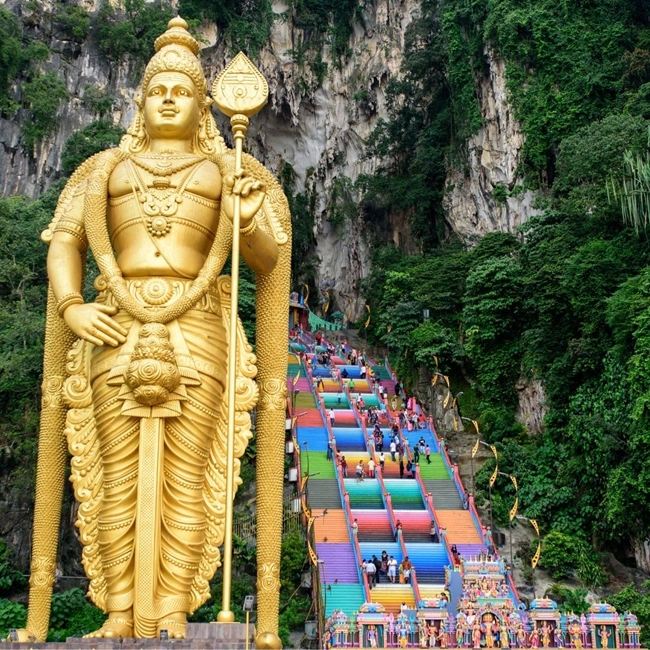
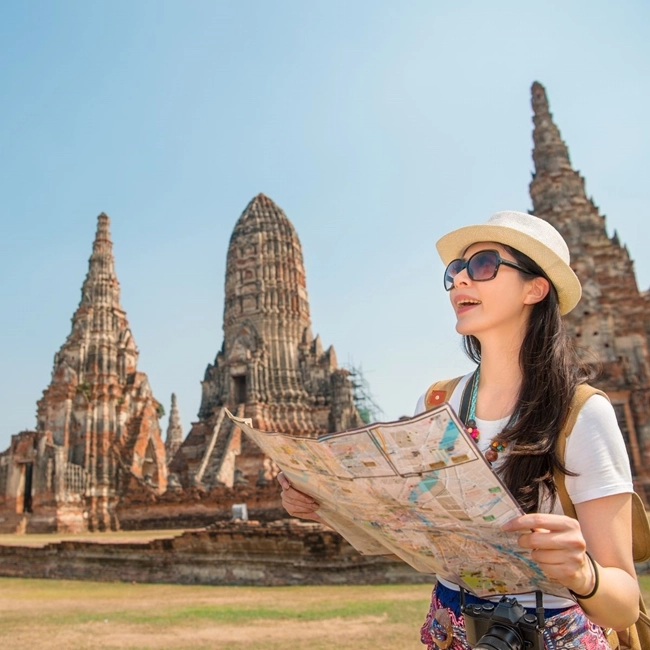
In Kuala Lumpur, book a timed visit to the Petronas Twin Towers Skybridge, climb the 272 rainbow steps of Batu Caves and eat your way along Jalan Alor at night. Penang's George Town mixes street art, heritage shophouses and some of Asia's best hawker food. For beaches, Langkawi is duty-free and an hour's flight from KL, while Borneo's Sabah and Sarawak offer orangutans and Mount Kinabalu.
Before you fly to Malaysia
Australians don't need a visa for a holiday in Malaysia, but every foreign visitor must complete the free Malaysia Digital Arrival Card (MDAC) online in the three days before arrival. Use the Immigration Department's official site, as some unofficial sites charge a fee. If you carry more than the equivalent of US$10,000 in cash, you must declare it on arrival.
Your one-week budget for Malaysia
| Item | Estimate |
|---|---|
| Return flight, Melbourne to Kuala Lumpur | A$600 to 1,000 |
| Accommodation, 6 nights mid-range hotel, tourism tax included | RM1,860 (about A$640) |
| Food and drinks | RM700 (about A$240) |
| Activities | RM400 (about A$140) |
| Local transport | RM200 (about A$70) |
| Cash to take before you leave | RM500 (about A$170) |
With a Cash Index of 35%, around RM500 covers a week of hawker meals, markets, taxis and the hotel tourism tax. Malaysia Airlines and AirAsia fly direct from Melbourne: collect your ringgit at our Melbourne Airport branch before your flight, or at Brisbane Airport.
Ordering ringgit with Prosegur Change
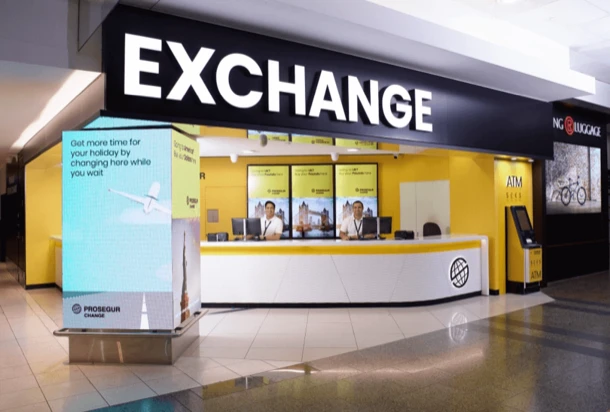
Choose your amount on our currency order page, pick a branch and a date, and pay when you collect. In Western Australia, our Perth, Joondalup and Karrinyup branches are handy for the short flight to KL. Heading on to Singapore? Add Singapore dollars or Thai baht to the same order.
Travelling soon?
Here's how to easily reserve your currencies online
 1. Choose your currency
Determine the amount of travel money you will need to enjoy your trip.
 2. Choose a date & a pick-up location
Collect your order from one of our exchange bureaus at major airports and city centre.
 3. Collect & pay
Pay upon pickup and enjoy
your trip.
FAQs about Malaysian ringgit
Ringgit Malaysia. It's the local way of writing prices, while MYR is the international code.
Yes, some. Malls and hotels take cards, but hawker stalls, night markets and small shops usually want cash.
A flat RM10 per room per night that foreign guests pay at hotels. It's often collected on arrival or departure.
Only in a few places near the border, and at a poor rate. Use ringgit everywhere else.