
Exchange currency AUD to Swiss Franc (CHF)

Our rates

Find branch

FAQs
Plan your trip to Switzerland efficiently!
Switzerland is surrounded by euro countries but keeps its own currency, the Swiss franc. It is also one of the most expensive places in Europe, so every dollar of exchange rate matters. Cards and phones work almost everywhere, from Zurich's trams to mountain cable cars. A few francs in cash are still handy for alpine huts, farm shops and honesty boxes.
Order your Swiss francs online, pay when you collect them from a Prosegur Change branch, and pay 0% commission on the exchange. Check today's rate on our exchange rates page.
Swiss Currency Options
Cash
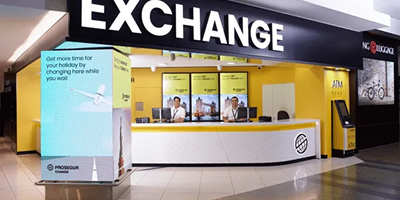
- Reserve online, pay & pickup at a branch
- Get our best exchange rates online
- 0% commission
- Collection available from the next day
Travel Money Card
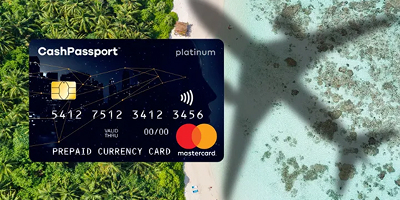
- Pay online, in-store & use ATMs worldwide
- No fees on purchases abroad
- 10 currencies available
- 100% secured by Mastercard
Swiss currency at a glance
|
|
|---|---|
|
Name |
Swiss franc |
|
ISO Code |
CHF |
|
Symbol |
CHF or Fr. |
|
Notes |
10, 20, 50, 100, 200, 1,000 CHF |
|
Coins |
5, 10, 20, 50 centimes; 1, 2, 5 CHF |
|
|
|---|---|
|
Cash Index |
15% – Tap and go |
|
Other currencies accepted |
Euros in many shops, stations and hotels, with change in francs at their own rate |
|
Tips |
Service is included. Round up or leave 5 to 10% for good service. |
Everyday prices in Zurich

Cappuccino
CHF 6

Swiss National Museum
CHF 10 to 13 per adult

Single tram or bus ticket, city zone
CHF 2.80 to 4.60

Dinner, mid-range
CHF 45 per person

Cards, euros and Swiss francs
You can pay by card almost anywhere in Switzerland, including on trains, cable cars and in small cafés. Locals also use the Twint payment app, which works only with Swiss bank accounts. Many shops and SBB station counters accept euros, but they give change in francs at their own rate, so paying in francs is cheaper. If a terminal offers to charge you in Australian dollars, choose francs.
Cash remains useful in the mountains. Alpine huts and summer pastures selling cheese often prefer cash, and some farm stalls work on an honesty box. Swiss banknotes from the current series are vertical and colourful. Older series no longer used in shops can be exchanged at the Swiss National Bank without a time limit.
Before you fly to Switzerland
Switzerland is not in the European Union but is part of the Schengen area. Australians can stay up to 90 days in any 180-day period without a visa, and the EU's Entry/Exit System records your fingerprints and photo when you first enter the Schengen area. The ETIAS travel authorisation is not yet in operation. Swiss customs may ask about cash of CHF 10,000 or more.
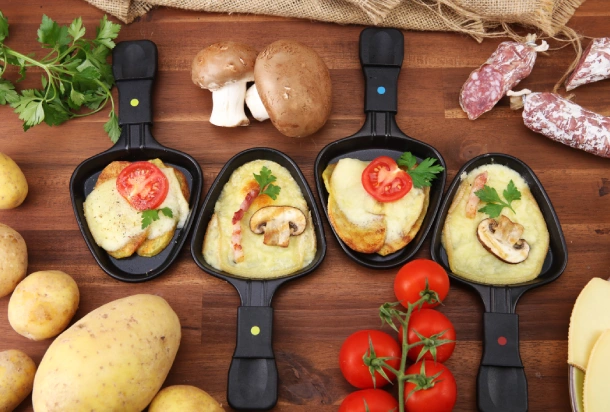
Top things to do in Switzerland
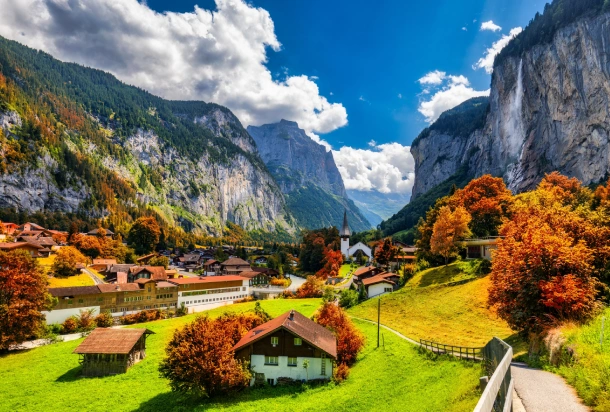
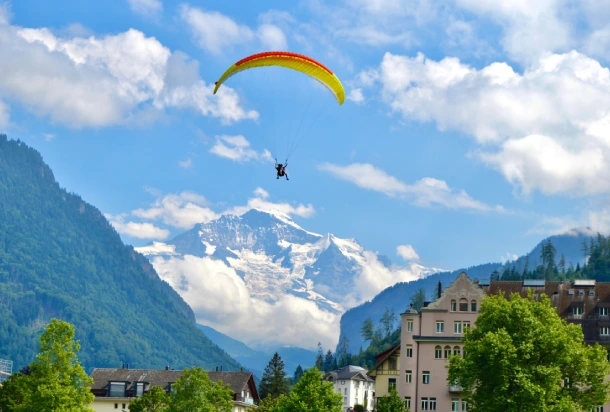
In Zurich, walk the old town and the lakeside, then take a train to Lucerne for the Chapel Bridge and a boat ride on Lake Lucerne. Interlaken is the base for the Jungfrau region, Lauterbrunnen's waterfalls and the train up to Jungfraujoch. Zermatt offers views of the Matterhorn, and scenic trains such as the Glacier Express and the Bernina Express cross the Alps.
Your one-week budget for Switzerland
| Item | Estimate |
|---|---|
| Return flight, Melbourne to Zurich, one stop | A$1,900 to 2,800 |
| Accommodation, 6 nights mid-range hotel | CHF 1,350 (about A$2,500) |
| Food and drinks | CHF 600 (about A$1,100) |
| Activities, including a mountain excursion | CHF 350 (about A$650) |
| Transport, 8-day Swiss Travel Pass | CHF 400 (about A$740) |
| Cash to take before you leave | CHF 200 (about A$370) |
With a Cash Index of 15%, around CHF 200 covers huts, small purchases and tips for a week. Most travellers combine Switzerland with France, Italy, Germany or Austria: load euros on our Travel Money Card for those legs. Collect everything at our Melbourne Airport or Brisbane Airport branch.

Travelling soon?
Here's how to easily reserve your currencies online
 1. Choose your currency
Determine the amount of travel money you will need to enjoy your trip.
 2. Choose a date & a pick-up location
Collect your order from one of our exchange bureaus at major airports and city centre.
 3. Collect & pay
Pay upon pickup and enjoy
your trip.
FAQs about Swiss Franc (CHF)
Often, yes, but change comes in francs at the shop's rate. Paying in francs or by card is cheaper.
Very little. Cards work almost everywhere, but carry some francs for alpine huts, farm stalls and small tips.
Yes. Liechtenstein uses the Swiss franc as its official currency.
No. Service is included by law; rounding up or leaving 5 to 10% is a thank-you, not an obligation.