When’s the best time to visit Japan?
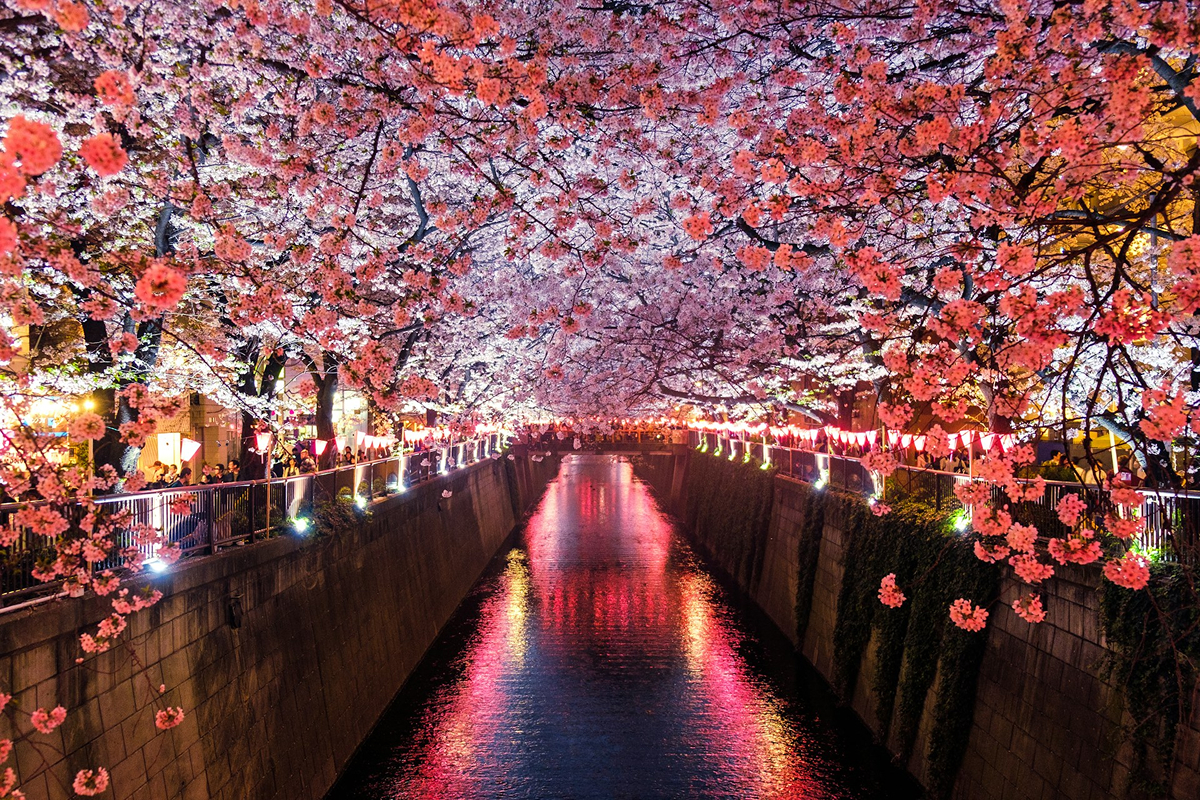
Table of contents:
Japan has a wide range of climates from north to south, so the seasons are very distinct. The time of year you choose to travel will therefore have a direct impact on your trip and the activities you can enjoy once you’re there.
Japan experiences four seasons, generally spread out as follows:
- Spring (April to May): temperatures range from 2 to 24 °C.
- Summer (June to August): temperatures range from 16 to 30 °C.
- Autumn (September to November): temperatures range from 7 to 27 °C.
- Winter (December to March): temperatures range from -6 to 20 °C.
It’s hard to recommend one season over another for visiting Japan. The country has plenty to amaze travellers all year round.
Key Takeaways:
- Japan has four very distinct seasons and a wide range of climates depending on the region, which strongly influences the activities available and the overall travel experience throughout the year. Each season offers different landscapes and events.
- Spring is one of the most popular times to visit thanks to its pleasant weather and spectacular blooms, especially the famous sakura cherry blossoms seen in many parks and gardens. However, it’s a busy tourist period, which can drive prices up.
- Summer is marked by high humidity and hot temperatures, with a rainy season in June. Despite the weather, it’s a lively time of year with many traditional festivals, as well as water-based activities and cooler mountain escapes.
- Autumn brings mild temperatures and stunning autumn foliage, particularly around Tokyo or near Mount Fuji. The season also features several cultural festivals and flowers that bloom during this time.
- Winter is colder but perfect for snow sports at Japan’s many ski resorts. It’s also a season rich in traditions, with Christmas celebrations, Japanese New Year customs, and several famous snow festivals.
Spring in Japan
Spring is one of the most popular times to discover Japan. The weather is generally pleasant across most of the country during this period.
Flowers are also a central part of Japanese culture, and spring is when the country shows off its most colourful displays. You’ll find the famous sakura (cherry blossoms), the iconic pink flowers that symbolise Japan, along with plum blossoms, wisteria, tulips and cherry trees in bloom.
You can admire Japan’s flora in places such as Shinjuku Gyoen National Garden and Ueno Park. The Ashikaga Flower Park in Tochigi and the Kawachi Wisteria Garden in Fukuoka are also must-visit spots for flower lovers.
However, this is a very popular tourist season, which can push travel costs up. It’s a good idea to book your tickets well in advance to avoid higher prices.
Summer in Japan
Summer in Japan is generally divided into two parts:
- June, which is characterised by heavy rainfall.
- July and August, with hot and humid days.
This season can feel quite intense, as the high temperatures combined with strong humidity can be overwhelming. You’ll likely start sweating as soon as you step outside. In short, it can be a challenging time of year for some travellers. That said, visiting Japan in summer also lets you experience a different side of the country and local life.
Because of the weather, many people head to Japan’s lakes, beaches and rivers, which are plentiful throughout the country. Water-based activities such as surfing, rafting and diving are particularly popular during this season.
You can also escape to the mountain regions, where the weather is a little cooler and the scenery is absolutely breathtaking.
Summer is also a lively time thanks to the many festivals and cultural events taking place across the country.
One of the most famous is the Gion Matsuri, held in Kyoto throughout the month of July. The festival was first organised in 869 by Emperor Seiwa to ask the gods to protect Kyoto from the plague. Today it features spectacular float parades, street performances and plenty of local food. The main procession, Yamaboko Junko, has even been listed as part of UNESCO’s Intangible Cultural Heritage.
Another must-see summer event is the Nebuta Matsuri, held in Aomori at the start of August. It’s famous for its daily procession of giant illuminated lantern floats, accompanied by taiko drums, musicians and dancers. The festival ends with a spectacular fireworks display. Visitors can even take part themselves by wearing a traditional haneto dance costume—just pick one up from a local shop in town and join the celebration.
Reserve your currency online
Enjoy the best exchange rates and 0% commission when booking your travel money online.
Autumn in Japan
Like spring, autumn offers milder temperatures and stunning natural colours.
If you’re visiting Tokyo, Rikugien Garden is a fantastic place to admire the autumn foliage. Lake Kawaguchiko, located at the foot of Mount Fuji, is another destination not to be missed during this season.
Several flowers also bloom in autumn, including chrysanthemums, Japanese amaryllis and cosmos.
Many festivals take place during this time as well. For example, the Aki Matsuri (Autumn Festival) has been held for more than 50 years in Kichijoji, usually during the second weekend of September. Locals carry portable shrines through the streets throughout the day until they reach Hachimangu Shrine.
Another highlight is the Fukuro Matsuri, organised in Ikebukuro since 1968. The celebration is split into two parts:
September, featuring the mikoshi (portable shrine) parade, and
October, when the Tokyo Yosakoi Dance Festival takes place, showcasing traditional dances and musical performances.
Winter in Japan
Winter brings colder weather across the country, so make sure to pack warm clothing if you’re planning to visit during this season.
Japan has plenty of ski and snowboard resorts, meaning winter sports can be enjoyed from as early as December. If you love thrills and snow sports, winter is a fantastic time to visit.
Japanese cuisine also changes during the colder months. You’ll find many comforting hot pots and stews, perfect for warming up. Popular examples include oden, sukiyaki and shabu-shabu.
Celebrating Christmas in Tokyo is also a memorable experience, as the city is beautifully decorated with dazzling lights and festive displays.
Japanese New Year is another major celebration filled with traditions, including eating toshikoshi soba, hearing the 108 temple bell chimes, and watching the first sunrise of the year.
Several winter festivals also take place across the country. One of the most famous is the Sapporo Snow Festival, which attracts millions of visitors every year. Held in the city of Sapporo since 1950, it takes place from late January to early February and features spectacular snow and ice sculptures.
You can also experience the Yokote Kamakura Festival, where the town is illuminated by thousands of glowing igloos. With a history of more than 450 years, it’s a magical event that makes for unforgettable evening strolls.
Reserve your currency online
Enjoy the best exchange rates and 0% commission when booking your travel money online.