
Currency rules for travelling to the Philippines: What need to know
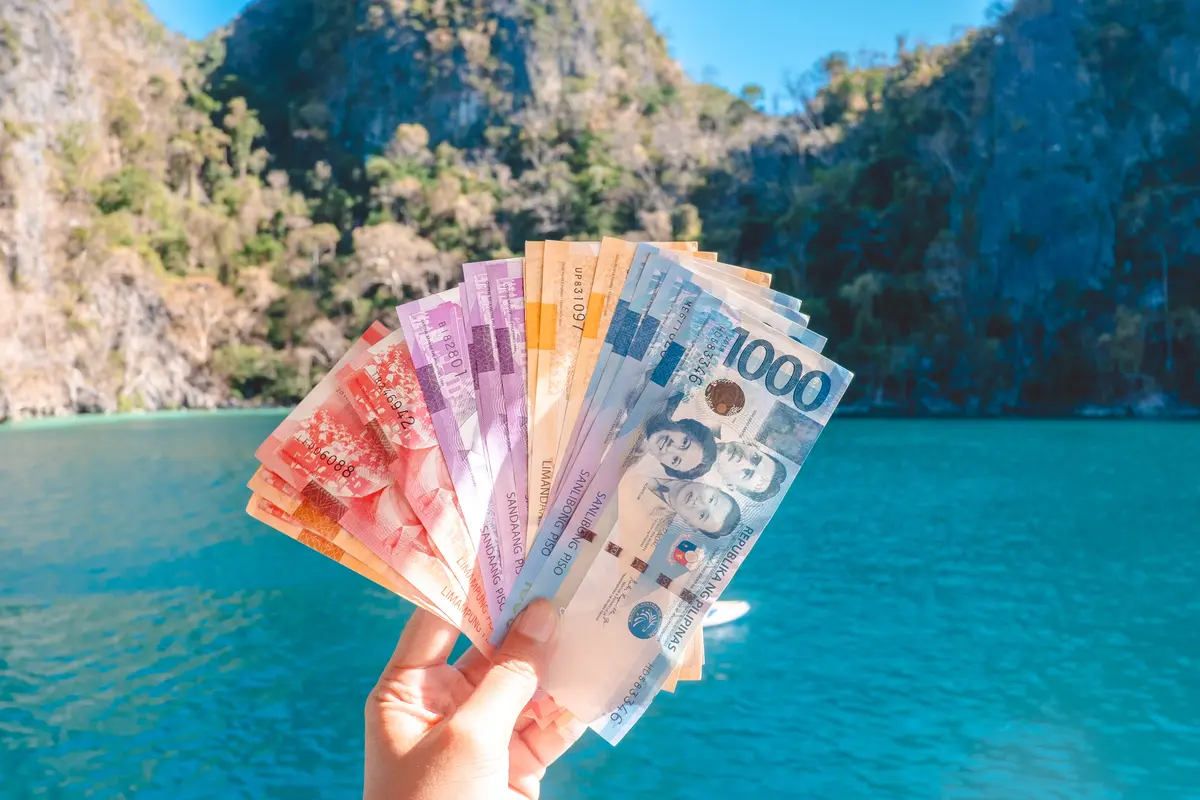
Table of contents:
The "50,000 Peso" trap and how to avoid it
The primary headache for Australian travelers is the strict PHP 50,000 limit. By law, any person entering or leaving the Philippines is only allowed to carry up to PHP 50,000 in physical notes, coins, or even cheques drawn in pesos. At current rates, that’s roughly AUD $1,300 to $1,400. If you’re planning a longer stay or a luxury honeymoon, you might think bringing more cash is a good idea—but without a permit, it's a major legal risk.
The agitation of starting your trip with a customs interrogation is a stress no one needs. Beyond the local peso limit, there is also the global standard: if you are carrying foreign currency (like AUD or USD) exceeding US$10,000, you must declare it in writing. This is part of strict anti-money laundering measures that the Philippines takes very seriously.
Pro Traveller Tip: Avoid the "first day scramble" and high airport surcharges in Manila or Cebu. Reserve your initial Philippine Pesos online to guarantee you have the exact cash needed for taxis and local island transport the moment you land, all with 0% commission.
Cash culture: Why plastic isn't always fantastic
While Manila and Cebu are becoming more digital, the Philippines remains a deeply cash-centric society once you step off the beaten path. Whether it's paying for a tricycle ride, buying a cold San Miguel at a beach hut, or tipping your boat captain after a day of snorkelling, physical pesos are your best friend.
Trusted by Prosegur with 30+ years of experience, we understand that managing a budget across 7,000 islands requires flexibility. Relying purely on Aussie cards can be a gamble:
- High fees: Most Philippine ATMs charge a "convenience fee" of around PHP 250 (approx. $7 AUD) per withdrawal, on top of your own bank’s international fees.
- Connectivity issues: In places like El Nido or Siargao, power outages and "offline" card machines are a regular occurrence.
- Tipping etiquette: Tipping is common for good service, and it must be done in cash. Small notes (20s, 50s, and 100s) are essential for showing appreciation to guides and drivers.
Payment Scenario | Best Method | Why? |
Island Tours | Cash (PHP) | Boatmen and local guides rarely have card readers. |
Shopping in SM Malls | Card | Large retailers are very card-friendly and safe. |
Taxis & Tricycles | Cash (PHP) | Drivers never take cards; try to have exact change. |
Resort Dinners | Card | Better for high-value meals to save your cash for later. |
Navigating the financial landscape of the Philippines is easy once you know the thresholds. Here are the answers to the most frequent questions Australian travellers ask.
Common questions when travelling to the Philippines
The limit applies to each individual traveller. If you are a family of four, you can technically carry PHP 200,000 collectively, as long as it is distributed among you. However, the US$10,000 declaration rule for foreign currency is often treated as a group total, so if you're carrying a large amount of AUD, it’s always safer to declare it.
Technically, you can bring an unlimited amount of foreign currency (like AUD), but anything over US$10,000 must be declared. For the local Philippine Peso, you are strictly limited to PHP 50,000 per person. Exceeding this without a permit from the central bank can result in the money being seized.
While USD is easy to exchange, it’s no longer a necessity for Aussies. You can easily exchange AUD to PHP at competitive rates. Landing with local pesos is always the most convenient option to avoid the "first day scramble" for a money changer.
The PHP 50,000 limit applies to exporting currency too. If you have a lot of cash left over at the end of your trip, it’s best to exchange it back to AUD before you head to the airport, otherwise, you may have to leave it behind at the customs desk.
Absolutely. It is the most secure way to ensure you are staying within the legal limits. By using Prosegur Change’s "reserve & collect" service, you get bank-verified notes and avoid the unregulated kiosks in the Philippines that may carry a higher risk of currency scams.
Island life is better when you're prepared
The Philippines is a place of incredible beauty and warmth. It deserves your full attention—not your worries about customs forms or being stuck without cash in a remote lagoon. By understanding the PHP 50,000 rule and preparing your cash strategy before you leave Australia, you can breeze through the terminal and get straight to the beach.
Enjoy significant savings with excellent rates and 0% commission on a wide range of currencies by booking ahead. With 30 years of global expertise, Prosegur Change is here to help you navigate your Pacific adventure with total peace of mind.
Reserve your Philippine Pesos today, pick them up at the terminal, and start your island journey on the right note.



-

What you need to know before taking money to Thailand
February 10, 2026
-
Currency rules for travelling to the Philippines: What need to know
February 2, 2026
-
Essential currency rules for travelling to Asia
February 2, 2026