Essential currency rules for travelling to Asia
Planning an Asian adventure? Beyond packing your bags, understanding the "money rules" is the secret to a smooth trip.
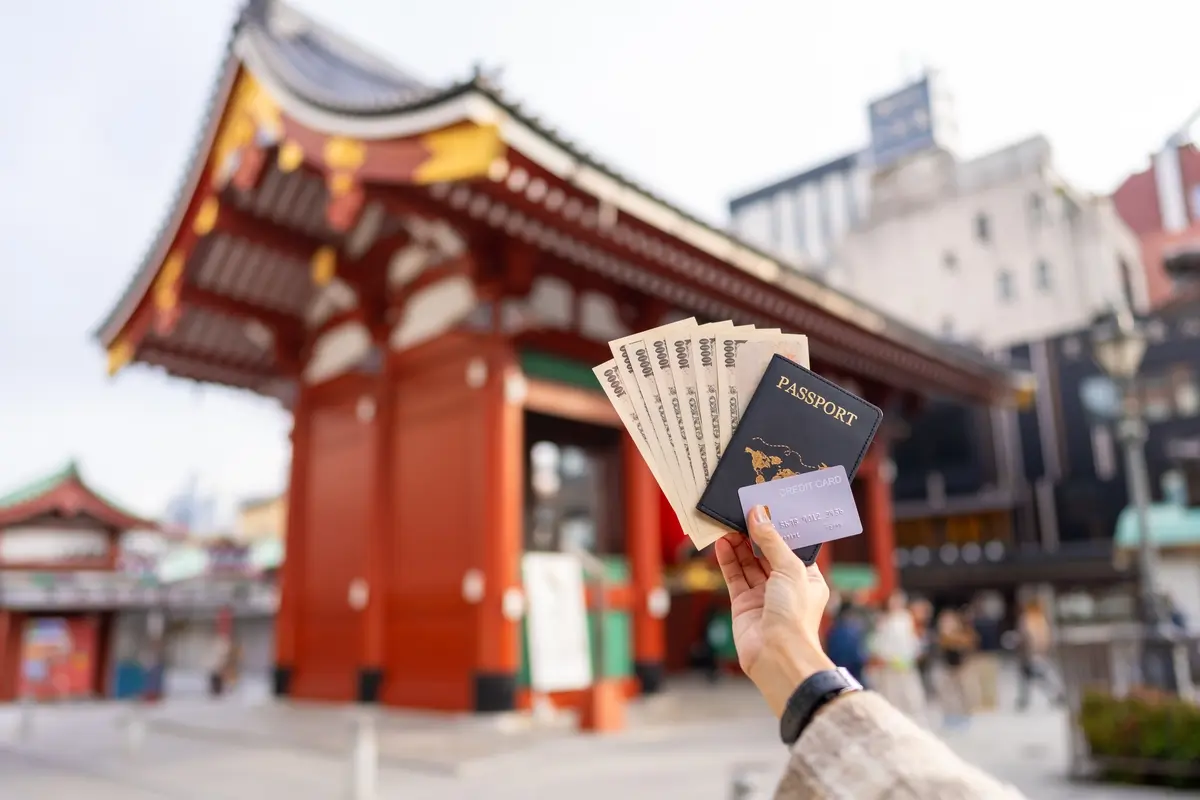
Table of contents:
Asia is a continent of vast financial diversity. You can spend your morning using a high-tech digital wallet in Singapore’s Orchard Road and your evening needing physical notes for a night market in Vietnam. For many Australians, the excitement of exploring Asia often overshadows the practical reality of its currency regulations.
This "she’ll be right" attitude can quickly lead to complications at the border. Many countries have strict controls on how much money you can bring in—and more importantly—take out. The primary challenge lies in the sheer variety of rules across the region. While some nations are open, others have "restricted" currencies that cannot be easily exchanged or even carried across borders in large amounts.
Failing to understand the mandatory declaration of thresholds—often set at the equivalent of USD $10,000—can lead to funds being seized by customs. Prepare for your trip by reserving your travel money online in advance! Landing with the right local currency, or a stable reserve like USD for specific regions, is the most effective way to stay compliant with Asian currency rules.
Why the "wrong" cash can cause a border headache
The agitation of a holiday starting with a customs interview is a stress no Aussie traveler needs. Many countries in Asia, such as China, India, and Indonesia, have strict "anti-money laundering" (AML) laws that require a transparent trail of your funds.
If you land in Bali or Tokyo and haven't declared amounts that exceed local limits, you risk more than just a fine; you risk losing your travel budget entirely. For example, if you're heading to Japan, the threshold is 1 million Yen, and missing this detail can lead to your cash being confiscated for weeks.
Key risks to consider when carrying cash in Asia:
- Confiscation: Customs can seize undeclared amounts over the legal limit.
- Fines: Significant monetary penalties are often applied on the spot.
- Scams: Relying on street changers increases the risk of currency scams.
- Counterfeit notes: Unregulated kiosks are notorious for passing off fake bills.
Trusted by Prosegur with 30+ years of experience, we recommend securing your Asian currencies before you leave home to ensure you receive genuine, bank-verified notes.
Destination | Major Currency Rule | Declaration Threshold |
Japan | Cash-centric in rural areas | 1,000,000 JPY |
Vietnam | Strict entry/exit limits | 15,000,000 VND or USD $5,000 |
China | Heavy use of digital wallets (Alipay/WeChat) | USD $5,000 (or equivalent) |
Singapore | Digital focus, but cash for hawkers | 20,000 SGD |
Thailand | Cash required for certain visas | USD $10,000 (or equivalent) |
Pro Traveler Tip: Even in the most digital Asian cities, "outages" can happen. Always carry at least 20% of your budget in physical cash to avoid being stranded when a local network or international card goes down.
Understanding the "restricted" currency trap
The term "restricted currency" can be confusing. Essentially, it means the government of that country limits the amount of their money that can leave their borders. This often results in these currencies being harder to find or more expensive to buy once you are already overseas.
For Australians, this makes planning your budget and planning even more critical. Here are a few points to keep in mind:
- In-country exchange: Some restricted currencies can only be legally exchanged in their home country.
- Export limits: Be careful not to leave the country with too much local cash, as it may be seized at departure.
- Airport rates: Rates for restricted currencies at destination airports are often the least favorable.
Whether you are looking for rules for Singapore travelers or unique money rules in Indonesia, the requirements differ significantly from the New Zealand declaration tips we are used to in the Pacific.
By reserving your travel money online, you avoid the scarcity and high fees often found at destination airports.
Navigating the financial landscape of a different continent can be tricky. Here are the most frequent questions Australian travelers ask before heading to Asia.
Common questions when travelling to Asia
Restricted currencies are those that cannot be easily traded or moved internationally due to government controls. Common examples in Asia include the Indian Rupee (INR), the Indonesian Rupiah (IDR), the Vietnamese Dong (VND), and the Philippine Peso (PHP).
You can still obtain these for your trip, but you should always use a reputable provider like Prosegur Change to ensure compliance with local laws.
Absolutely. While cities like Singapore and Tokyo are modern, many parts of Southeast Asia—especially markets, rural cafes, and local transport—remain strictly cash-based.
Relying on cards alone can lead to high transaction fees or being unable to pay for essential services.
If you exceed the limit (typically AUD $10,000 or equivalent) and fail to declare, customs can seize the money. You may face heavy fines and prosecution. As a rule of thumb: if in doubt, declare it. It takes five minutes and protects your funds.
Some countries, most notably Thailand, can randomly ask for proof of "sufficient funds" upon arrival, especially for those on tourist visas or visa exemptions. The requirement is generally 20,000 Thai Baht per person (or 40,000 per family) in physical cash or equivalent. While not always checked, failing to show this when asked can result in a denial of entry. Having your reserved travel money in hand is the best way to prove you can support yourself during your stay.
Yes. Through Prosegur Change’s "reserve & collect" service, you can secure your Asian currencies online and pick them up at major Australian airports. This ensures you land with the right money and avoids the stress of searching for a bank in a foreign language.
Travel smart and stay compliant across Asia
Exploring Asia should be about the sights, the sounds, and the food—not about worrying if you’ve broken a currency law. By understanding the rules before you head to the airport, you can bypass the stress of customs and focus on your adventure.
Enjoy significant savings with excellent rates and 0% commission on a wide range of currencies by booking ahead. With 30 years of global expertise, Prosegur Change is here to help you navigate the complexities of international travel money.
Reserve your Asian currency today, pick it up at the terminal, and start your journey with total peace of mind.


-

What you need to know before taking money to Thailand
February 10, 2026
-
Currency rules for travelling to the Philippines: What need to know
February 2, 2026
-
Essential currency rules for travelling to Asia
February 2, 2026