
What to know about currency regulations when bringing money to New Zealand
Heading to New Zealand? Don’t forget to check the currency rules before you pack. Here’s what Australians need to know to avoid penalties and enjoy a smooth arrival.
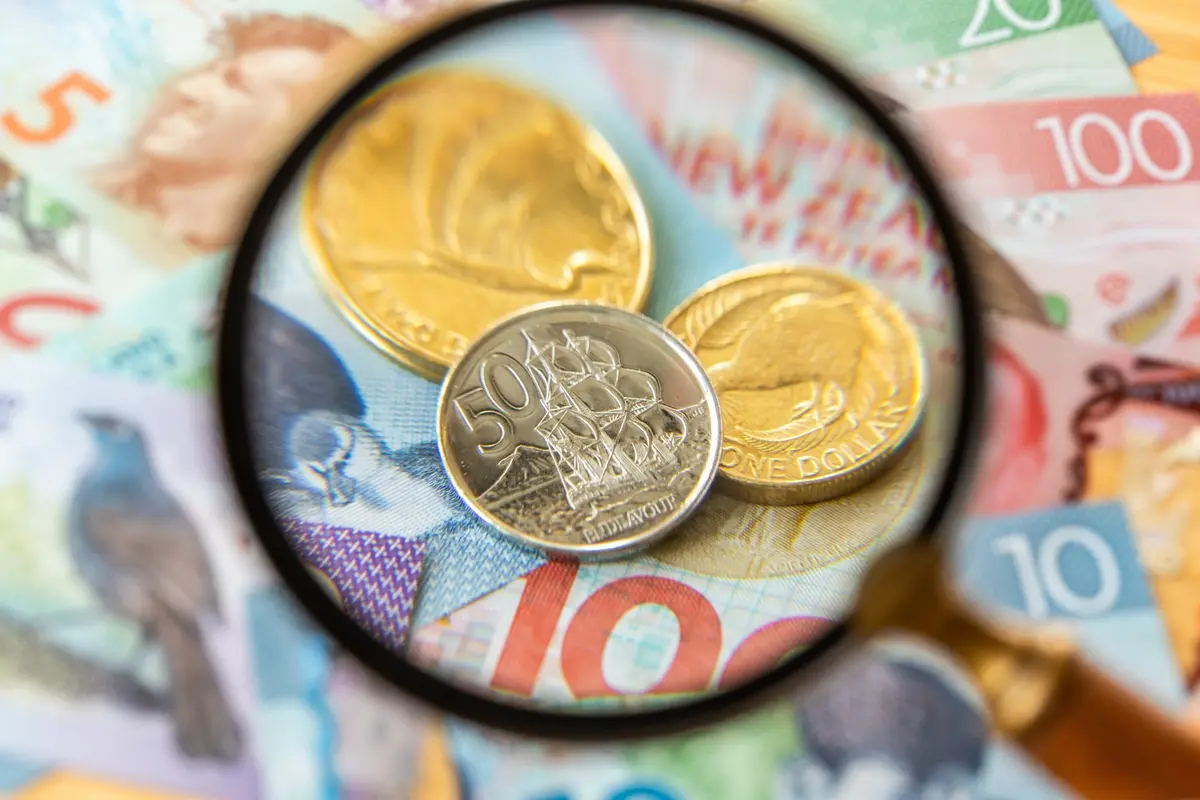
Table of contents:
While travelling between Australia and New Zealand feels familiar and easy, there are still financial regulations you should be aware of. New Zealand enforces strict rules when it comes to declaring large sums of money. Knowing how much cash you can legally carry, and how to manage your currency before departure, can save you unnecessary stress at customs.
Whether you're heading for a romantic getaway, a family trip, or a solo adventure, understanding the local rules ensures you’re prepared and helps you avoid fines, delays, or awkward questions at the airport.
Cash declaration rules at New Zealand customs
New Zealand law requires all travelers to declare if they are bringing NZD 10,000 or more (or the foreign currency equivalent) into or out of the country. This rule applies whether you're carrying New Zealand dollars, Australian dollars, or any other form of cash, traveler’s cheques, or bearer negotiable instruments.
You’ll need to complete a Border Cash Report (BCR) either online before travelling or upon arrival. You’ll also need to present this at customs inspection points, especially at major airports like Auckland, Wellington or Christchurch.
Example: If you're travelling with AUD 9,500 in cash, and it exceeds NZD 10,000 when converted, you’ll still need to declare it.
Is it better to exchange NZD before your trip?
Yes — for most travelers, exchanging your Australian dollars before you leave is a safer and more cost-effective option. Here’s why:
- Better rates: You’re likely to get more competitive rates than at airports or tourist spots.
- Avoid hidden fees: Some destination kiosks charge high commissions.
- Peace of mind: You arrive ready to pay for transport, snacks, or tips right away.
Plan ahead and exchange your currency online with Prosegur Change, then pick it up at the airport before your flight. It’s a fast and secure way to travel prepared. Check today’s exchange rates.
Card payments and cash use in New Zealand
New Zealand is a digitally advanced country, but cash still plays a role — especially outside major cities. You’ll want to carry a modest amount of cash for:
- Local markets
- Small cafés and food trucks
- Rural areas or scenic stops on road trips
- Tips and small purchases
Visa and Mastercard are widely accepted, and mobile wallets like Apple Pay or Google Pay are common. Still, don’t rely solely on cards — always have a cash backup in case of technical issues.
Smart travel money tips for Australia–NZ trips
Travelling between Australia and New Zealand is seamless, but preparing your money properly makes a big difference. Here's how:
- Mix your payment methods: Use a combination of cards and cash.
- Reserve your currency early: Especially during holiday peaks.
- Use a trusted provider: Prosegur Change is backed by over 30 years of experience in currency exchange.
- Pick up your money at the airport: Thanks to their online reservation system, your currency will be ready before departure.
Before your trip, here are some common questions Aussie travellers ask:
FAQs about bringing money to New Zealand
There’s no limit to how much you can carry, but if the total value is NZD 10,000 or more (or equivalent), you must declare it at customs when entering or leaving New Zealand.
No, bringing cash into New Zealand isn’t taxed. However, amounts of NZD 10,000 or more must be declared. Tax only applies to income, not to physical cash you carry for personal use or travel.
You must declare any cash or negotiable instruments totaling NZD 10,000 or more. This includes foreign currency, traveler's cheques, and bank drafts. Complete a Border Cash Report (BCR) at the airport or online.
This rule relates to tax residency. If you're in New Zealand for more than 92 days in a 12-month period, you may be considered a tax resident. This is mainly relevant for people working or relocating there, not tourists.
New tax residents may qualify for a four-year temporary tax exemption on most types of foreign income. This does not apply to travelers, and it’s best to seek advice if you’re staying long-term.
Travel with confidence and the right currency
Whether you're hiking through Queenstown, exploring Auckland’s markets, or taking a road trip through the North Island, having the right currency in hand will make your trip smoother.
Exchange your New Zealand dollars online with Prosegur Change and collect them before departure. With transparent rates and no hidden fees, you’ll start your Kiwi adventure with one less thing to worry about.



-

What you need to know before taking money to Thailand
February 10, 2026
-

Currency rules for travelling to the Philippines: What need to know
February 2, 2026
-
Essential currency rules for travelling to Asia
February 2, 2026