
How much money can you bring into Japan?
Land of the rising sun, and land of... cash? Japan is a unique financial landscape. Before you fly, learn the essential customs rules on how much currency you can bring in and how to avoid costly declaration of mistakes.
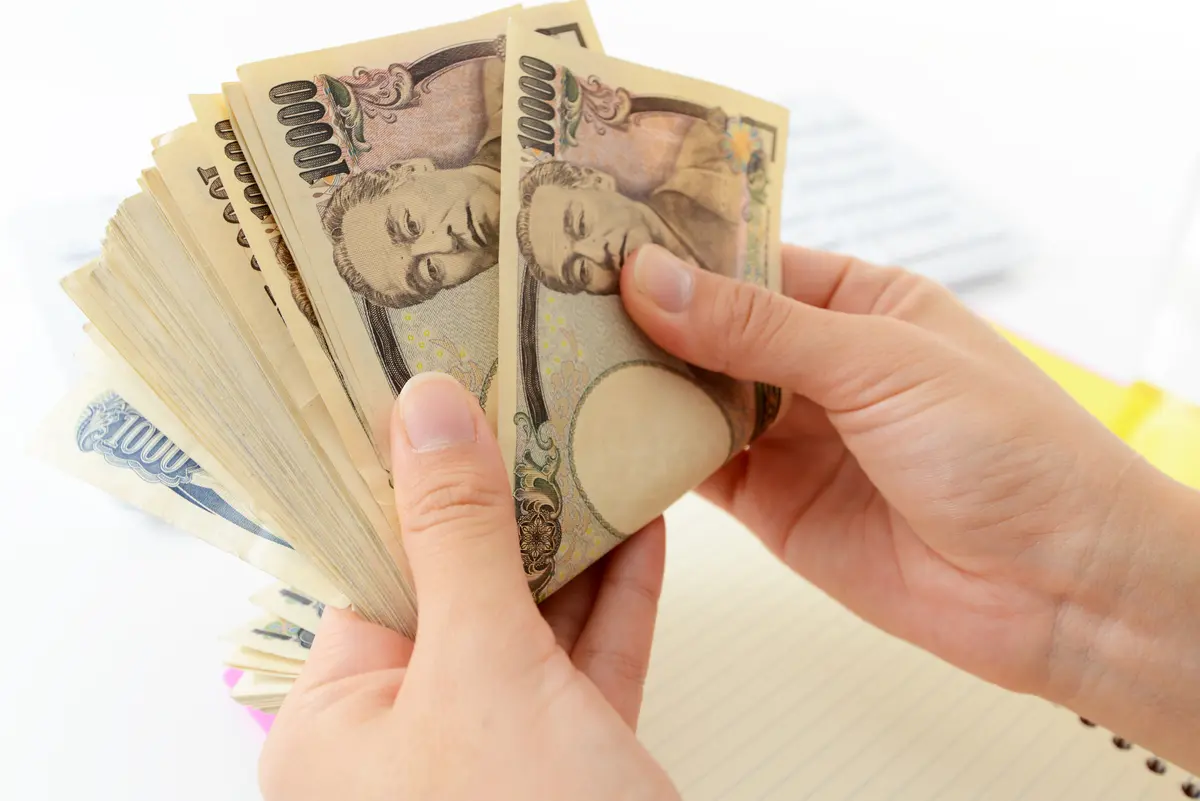
Table of contents:
Prepare for your trip by reserving your travel money online in advance! Landing with your JPY ready not only gives you peace of mind but ensures you stay exactly within the legal thresholds you've planned for.
Why declaring your Yen is non-negotiable
A common misconception among Aussie tourists is that carrying "too much" money is a crime. It isn't. You can bring 5 million Yen into Japan if you wish; the legal requirement is simply that you must tell them about it.
Japanese customs officers are diligent, and if you are found with undeclared cash over the limit, you risk heavy fines or having the excess money confiscated until a legal review is completed.
Crucial insight: In Japan, the declaration rule applies to the total value of all currencies combined. If you have 800,000 JPY and AUD $3,000 in your pocket, you have exceeded the limit and must declare.
The agitation of starting your dream holiday in Tokyo with an interrogation at Narita or Haneda airport is a stress no traveler needs. Beyond the legalities, Japan’s cash culture creates a practical challenge. Many smaller "Izakayas" (traditional pubs), temple entrance gates, and even some high-end boutiques in smaller cities like Kanazawa do not accept international credit cards. Relying on an Australian bank card can be a gamble:
- ATM compatibility: Not all Japanese ATMs accept foreign cards; you often have to hunt for a 7-Eleven or a Post Office.
- Transaction surcharges: Each "tap" can incur a 2-3% fee from your bank, which adds up quickly over a two-week trip.
- Currency conversion traps: Choosing to pay in AUD at a Japanese terminal often uses an inferior "dynamic" rate that costs you more.
Trusted by Prosegur with 30+ years of experience, we recommend securing a significant portion of your budget in physical Yen before you leave home. Our "reserve & collect" service allows you to bypass the high-commission booths in Japan and the unpredictable fees of local ATMs.
Cash vs. Card: The Japanese reality check
To help you plan your AUD to JPY exchange, here is a breakdown of where your physical cash will be most valuable compared to digital payments.
Activity | Recommended Payment | Why? |
Temple & Shrine Fees | Strictly Cash | Most historic sites have no digital infrastructure. |
Street Food (Osaka/Tokyo) | Strictly Cash | Small vendors operate on low margins and rarely take cards. |
Department Stores | Card / Digital | Major retailers in Ginza or Shinjuku are very card-friendly. |
Public Transport (IC Cards) | Cash (for top-ups) | You often need physical Yen to "recharge" your Suica or Pasmo card at machines. |
By reserving your Yen online, you enjoy significant savings with excellent rates and 0% commission. This ensures you have the exact denominations needed for those all-important first hours in the country.
Navigating the financial etiquette and laws of Japan is key to a smooth journey. Here are the answers to the most frequent questions from Australian travelers.
Common questions about Japanese currency rules
The limit is per person. If a couple is travelling together with 1.5 million Yen, and one person is carrying all of it, that person must declare it. However, if the funds are split ($750k each), no declaration is required. Be honest with customs—trying to hide money across multiple bags is a red flag for "structuring," which is a serious offence.
There is no maximum limit to the amount of money you can physically bring on a plane. The only "limit" is your obligation to report it if it exceeds 1 million JPY. For most Aussie holidays, carrying between 100,000 and 300,000 JPY is the "sweet spot" for safety and convenience.
If customs find undeclared cash exceeding the limit, they may seize the money. You will likely face a fine, and you may be required to prove the source of the funds (like a bank withdrawal receipt or a Prosegur Change transaction record). It can take weeks or months to recover seized funds.
Usually, no. Most ticket machines in Japan only accept physical Yen coins or notes to recharge your transport cards. This is one of the most common reasons Aussies get stuck at train stations—ensure you always have small JPY notes on hand for transit.
It is the most secure and cost-effective method. By picking up your Yen at the airport before you board, you avoid the risk of carrying large amounts of AUD to Japan and then searching for a reputable exchange house in a foreign language.
Discover Japan with total financial confidence
Japan is a country of immense beauty, precision, and courtesy. It deserves your undivided attention, not your worries about customs forms or ATM fees. By understanding the 1 million Yen rule and preparing your cash strategy before you leave Australia, you can move through the terminal like a pro.
Enjoy significant savings with excellent rates and 0% commission on a wide range of currencies by booking ahead. With 30 years of global expertise, Prosegur Change is your partner in ensuring your Japanese adventure starts on the right note.
Reserve your Yen today, pick it up at the terminal, and get ready to experience the wonders of Japan with total peace of mind.


-

What you need to know before taking money to Thailand
February 10, 2026
-
Currency rules for travelling to the Philippines: What need to know
February 2, 2026
-
Essential currency rules for travelling to Asia
February 2, 2026