
.webp)
10 Interesting Facts about Fiji Currency
The Fijian Dollar (FJD), the country's currency, is special, has an interesting past, and serves both inhabitants and tourists with useful purposes. These ten essential facts can help you better grasp this currency, particularly if you're considering a trip from Australia to Fiji.
Key Takeaways
- The Fiji pound was replaced by the Fiji FJD in 1969.
- Denominations: There are several values of coins and banknotes.
- Cultural Symbols: Fijian heritage and nature are shown on currency.
- AUD to FJD Exchange: It is advantageous for tourists to check exchange rates beforehand.
- Even if FJD is the official currency, AUD is still accepted in some tourist locations.
- Currency Conversion: You can usually save fees by paying in FJD.
- Historic Coins: British-designed coins from before 1969 are worth collecting.
- The Reserve Bank is in charge of managing currency stability.
- Travel Advice: It is advised to use a combination of FJD cash and a travel card.
- Exchange Rates Are Important: Understanding exchange rates facilitates budgeting.
1. Fijian Dollar Origin and History
The Fijian dollar became the new standard in 1969 when Fiji decimalized its currency and abandoned the British system of pounds, shillings, and pence. Nearly 60 years of using British-style currency came to an end with the switch, and the Fijian dollar (FJD) formally took the place of the Fiji pound.
2. Current Denominations
The Fijian dollar is available in $1 and $2 coins as well as 5, 10, 20, and 50 cent coins. There are $5, $10, $20, $50, and $100 banknotes. With larger notes used for higher-value transactions and coins mostly covering smaller purchases, this wide range of denominations makes daily transactions convenient.
3. Unique Design and Symbols
Images of the country's flora, fauna, and cultural icons are among the distinctive local features included on Fijian banknotes. In order to emphasize Fiji's distinctive heritage and biodiversity, the Queen's portrait has been gradually removed from circulation in favor of local representations on the money.
4. Exchange Rate Tips (AUD to FJD)
If you’re travelling from Australia, it’s beneficial to check the exchange rate from AUD to FJD in advance to ensure you get the best deal. Avoid airport exchanges, which typically have higher rates; city centers and specialized currency exchanges offer better options. The AUD to FJD rate fluctuates, so using a multi-currency card like Wise can help lock in favourable rates.
5. Is AUD Accepted in Fiji?
To make sure you get the greatest bargain, it's helpful to check the AUD to FJD exchange rate in advance if you're travelling from Australia. City hubs and specialized currency exchanges are better possibilities than airport exchanges, which usually have higher rates. Using a multi-currency card like Wise can assist lock in advantageous rates because the AUD to FJD exchange rate varies.
6. Currency Conversion in Fiji
Some Fijian retailers offer a feature called dynamic currency conversion (DCC) that lets customers pay in AUD rather than FJD. But since there may be unstated costs involved, it is usually more cost-effective to pay in FJD directly at local rates.
7. Historic Coins and Banknotes
The Reserve Bank of Fiji honors the nation's rich currency history, which includes British-minted shillings and penny coins with distinctive features including a center hole. Coins with images of King Edward VIII, for example, have become rare historical objects.
8. Currency Management and the Reserve Bank of Fiji
In charge of Fiji's monetary policies, currency supply, and economic stability, the Reserve Bank of Fiji was founded in 1984. The central bank is essential to maintaining adequate foreign reserves and stabilizing the FJD.
9. Tips for Travellers Using Cash and Cards
Having a multi-currency travel card and some FJD cash on hand is a smart move for tourists. By enabling users to exchange currencies at mid-market rates, cards such as Wise can lower expenses. Since some vendors only take cash, having local currency also helps with little transactions.
10. Exchange Rate Statistics
Being aware of the fluctuations in the AUD to FJD exchange rate aids with budgeting. Through currency conversion websites or applications, travelers may keep an eye on current trends and prices to make sure they know how much their AUD will buy in FJD.
Table of contents
- Fijian Dollar Origin and History
- Current Denominations
- Unique Design and Symbols
- Exchange Rate Tips (AUD to FJD)
- Is AUD Accepted in Fiji?
- Currency Conversion in Fiji
- Historic Coins and Banknotes
- Currency Management and the Reserve Bank of Fiji
- Tips for Travellers Using Cash and Cards
- Exchange Rate Statistics
Need to exchange AUD to FJD?
Order your currency online and enjoy 0% commission and the best exchange rates online.
Read about other currencies
.webp)
The euro stands as one of the world's most influential currencies, symbolizing the economic integration and stability of the Eurozone. In this post, discover 10 interesting facts about the euros.
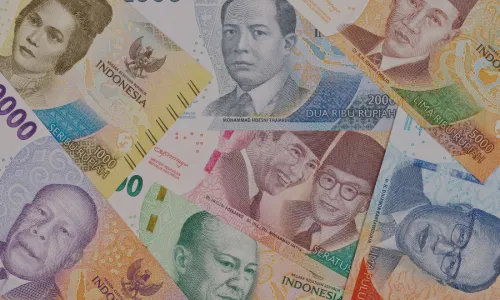
Discover 10 intriguing facts about the Indonesian Rupiah, backed by comprehensive statistics and data. offering a detailed look into this essential aspect of Indonesia's financial system.
.webp)
The New Zealand Dollar, also known as "Kiwi", is a vital component of the world economy. In this post, discover 10 interesting facts about NZD's history, usage and impact on New Zealand society and economy.